


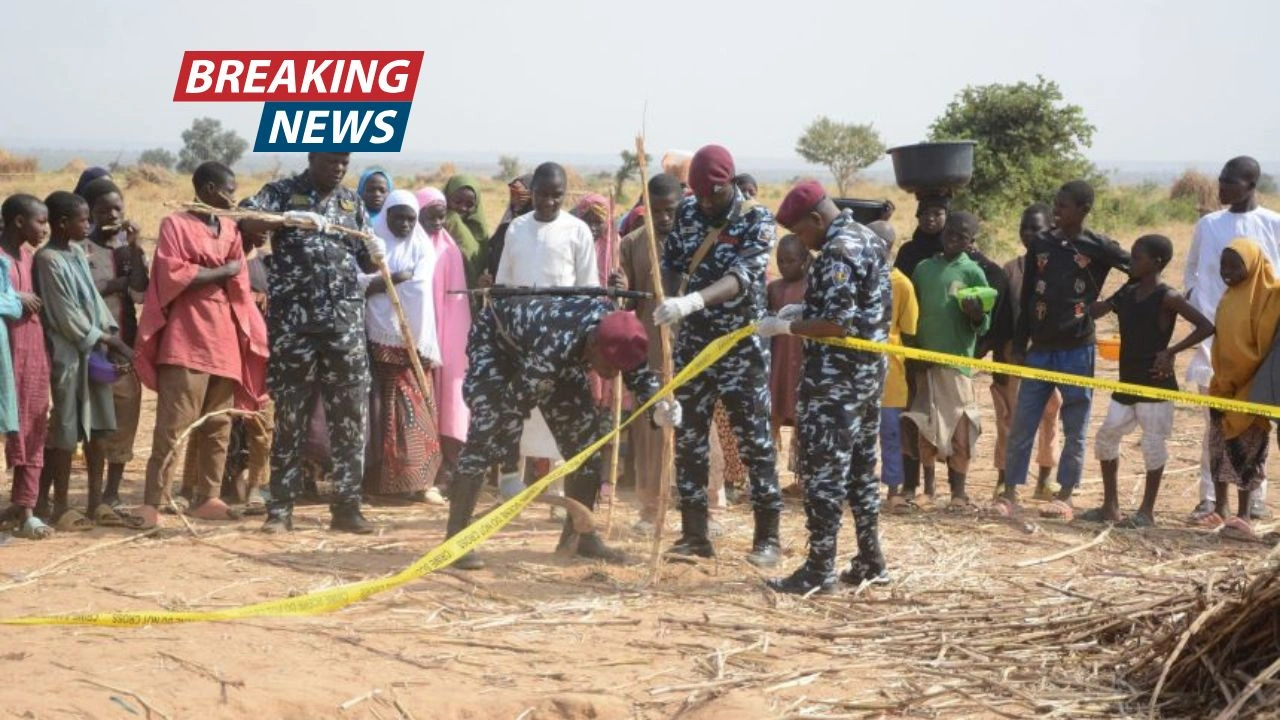
The United States has taken a more visible role in Nigeria’s long-standing security crisis after a recent airstrike linked to American involvement. The move, carried out during the administration of Donald Trump, signals a deeper U.S. footprint in a conflict that has destabilized parts of Nigeria for years.
Background: Nigeria’s Ongoing Turmoil
Nigeria has struggled for more than a decade with violent insurgencies, particularly in its northern regions. Armed groups have carried out attacks on civilians, military targets, and infrastructure, leaving thousands dead and millions displaced. Despite repeated military campaigns by Nigerian forces, insecurity has remained a persistent challenge, spilling across borders and affecting the wider West African region.

The U.S. Airstrike and Its Significance
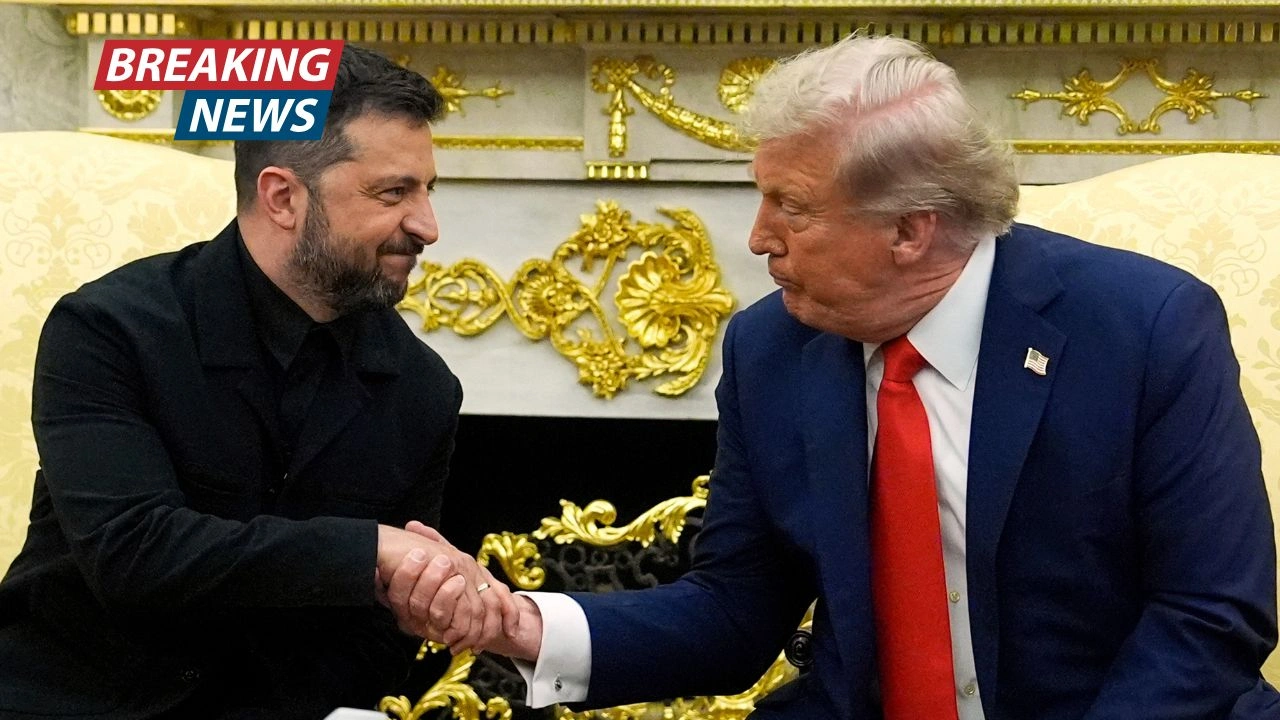
The reported airstrike represents a notable escalation in U.S. involvement. While Washington has long supported Nigeria through intelligence sharing, training, and limited logistical aid, direct military action marks a shift. The strike was framed as part of counterterrorism efforts, aimed at weakening militant groups that threaten regional stability and international interests.
Trump Administration’s Strategy in Africa
Under the Trump administration, U.S. foreign policy emphasized aggressive counterterrorism operations and a willingness to use military force when deemed necessary. Supporters argue that such actions deter extremist groups and protect allies. Critics, however, warn that deeper U.S. military engagement risks entangling America in complex local conflicts with no clear end.
Reactions and Regional Implications
The airstrike has sparked mixed reactions. Nigerian officials have generally welcomed international assistance, viewing it as reinforcement against well-armed militants. At the same time, human rights organizations and regional analysts caution that foreign airstrikes can increase civilian casualties and fuel resentment if not carefully managed.

For West Africa, the incident highlights how Nigeria’s internal security problems have become an international concern. U.S. involvement could encourage other global powers to take sides or expand their presence, further complicating an already fragile situation.
What This Means for the Future
By authorizing or supporting airstrikes in Nigeria, the United States has positioned itself more directly within a conflict rooted in local, political, and economic factors. Whether this involvement leads to improved security or prolonged instability remains uncertain. What is clear is that Nigeria’s turmoil is no longer viewed solely as a domestic issue but as part of a broader global security landscape.