


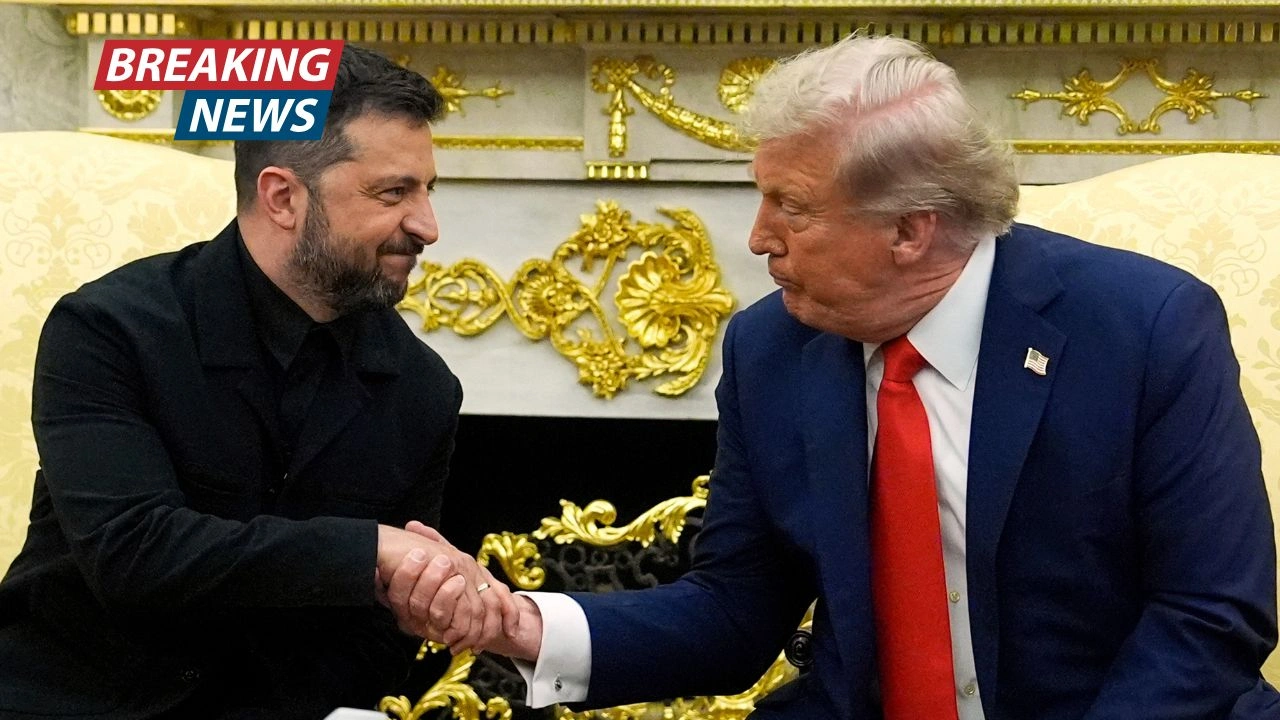
Former U.S. President Donald Trump once sparked international debate after publicly encouraging white South Africans to consider moving to the United States. His remarks, framed around concerns of land reform and farm safety in South Africa, were widely discussed across political and media circles. Supporters viewed the statement as humanitarian concern, while critics argued it oversimplified a complex issue and fueled racial narratives.
The invitation was never part of a formal immigration program, but it resonated with some South Africans who believed the U.S. could offer safety and opportunity. However, one individual’s experience revealed how uncertain and risky such expectations could be.


From Hopeful Migration to Legal Trouble
One white South African who acted on the idea of relocating to America eventually found themselves in U.S. immigration detention. Instead of securing stable residency, the individual encountered visa complications and legal barriers that led to detention by immigration authorities.
This case highlighted a critical reality: political statements do not automatically translate into immigration eligibility. U.S. immigration laws remain strict, and entry, asylum, or residency depends on formal legal processes—not public invitations or political rhetoric.
Immigration Law vs. Political Messaging
Despite the attention surrounding Trump’s comments, U.S. immigration policy did not change to prioritize or fast-track white South Africans. Standard requirements—such as valid visas, asylum qualifications, and legal documentation—still applied.

Immigration experts emphasized that asylum claims must be based on verified persecution under international law. General safety concerns or political statements alone are not enough to guarantee protection or residency in the United States.
Broader Impact and Public Reaction
The detention case reignited debate about how political messaging can influence real-life decisions. Some critics argued that such statements create false hope, while others said the incident underscored the importance of understanding immigration law before making life-changing moves.
For many observers, the situation served as a reminder that immigration systems operate independently of political soundbites, and that migrants must rely on official channels rather than public assurances.