


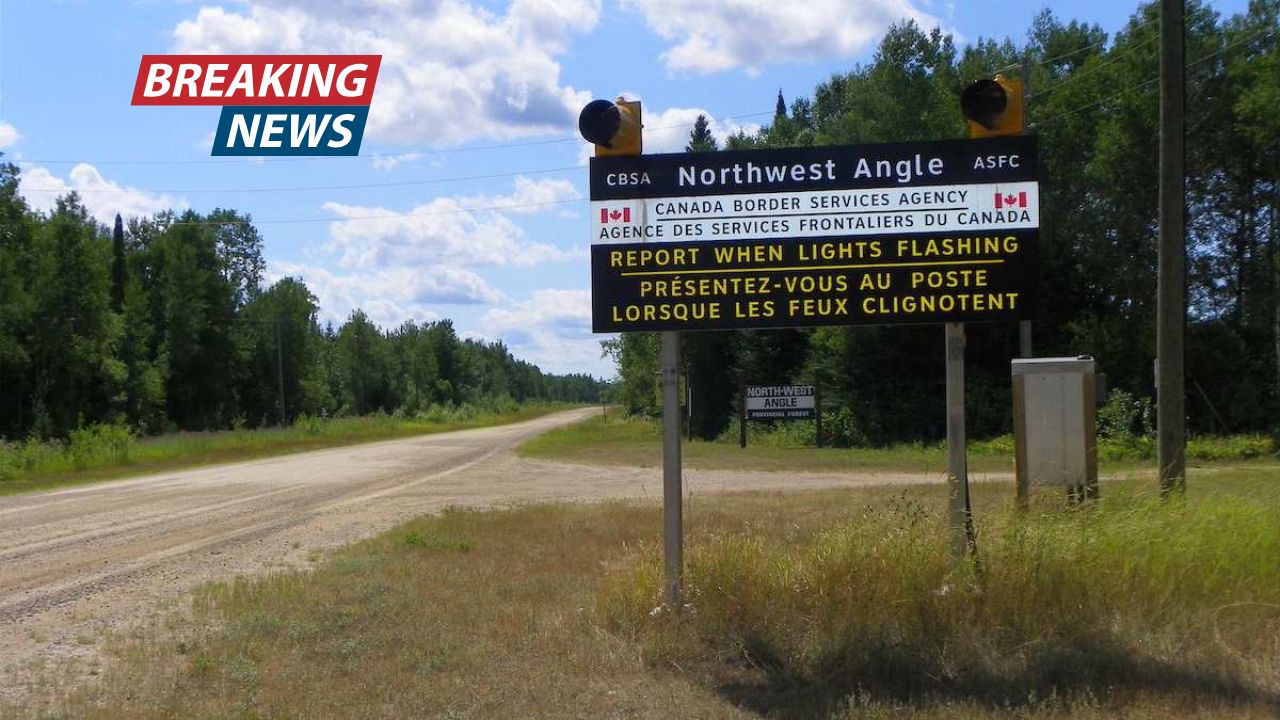
In a move that will significantly impact cross-border travel, Canada has announced the termination of its remote border crossing program, which has been widely used by American citizens. This decision is expected to change the way travelers from the United States interact with Canada’s border entry points, as the program had provided greater flexibility for those traveling to and from remote locations.
What Is the Remote Border Crossing Program?
The remote border crossing program allowed certain individuals, particularly Americans, to bypass regular border entry points in favor of using designated remote crossing areas. These areas were established to accommodate travelers heading to less populated regions where regular border stations were not available or feasible.




This program was particularly advantageous for people living in rural or isolated areas near the U.S.-Canada border, offering a more efficient way to cross into Canada without the need to drive long distances to reach a traditional border post. It facilitated smoother travel for residents and seasonal workers, particularly during times of higher traffic.
Why Is Canada Ending the Program?
The decision to end the remote border crossing program comes as part of broader border security and policy changes. The Canadian government has cited concerns about security and the need for more standardized entry procedures at all border points. With advances in border technology and a stronger push toward ensuring compliance with immigration and customs laws, the remote crossing method has become more difficult to maintain.
Moreover, the Canadian Border Services Agency (CBSA) has expressed a desire to streamline operations, focusing on higher-security areas to mitigate potential risks and improve overall border management.
How Will This Impact American Travelers?

For many American travelers who have relied on this program, the end of the remote crossing program will require them to adjust their travel habits. They will now have to use the mainstream border crossing points, which might mean longer waiting times and potentially more delays, especially during peak travel seasons.
This change is expected to affect a significant number of American citizens, including those who frequent areas such as Alaska, and other border regions where remote crossings were popular. Additionally, travelers may need to plan ahead, factoring in the new border requirements and travel times.
Alternatives for Travelers Post-Termination
While the program is ending, there are still various border crossing options available for Americans traveling to Canada. They will need to use the primary entry points, which are equipped with advanced security measures, to ensure safe and efficient entry.

Those used to the convenience of the remote crossing may face inconveniences at first but can still benefit from improved border technologies, including electronic travel authorizations (eTA) and enhanced identification systems. These measures are designed to streamline the process at traditional entry points, although the experience may not be as quick as the former remote program.
Canada’s decision to end the remote border crossing program marks a significant shift in the way American travelers interact with Canadian border entry points. While this change may lead to longer wait times and a shift in travel plans for many, it is being implemented to improve border security and to create a more standardized and controlled entry system. Travelers will need to adjust to the new procedures but can still rely on the mainstream crossing points for their visits. In the long run, these changes are expected to enhance safety and efficiency at Canada’s borders.

