


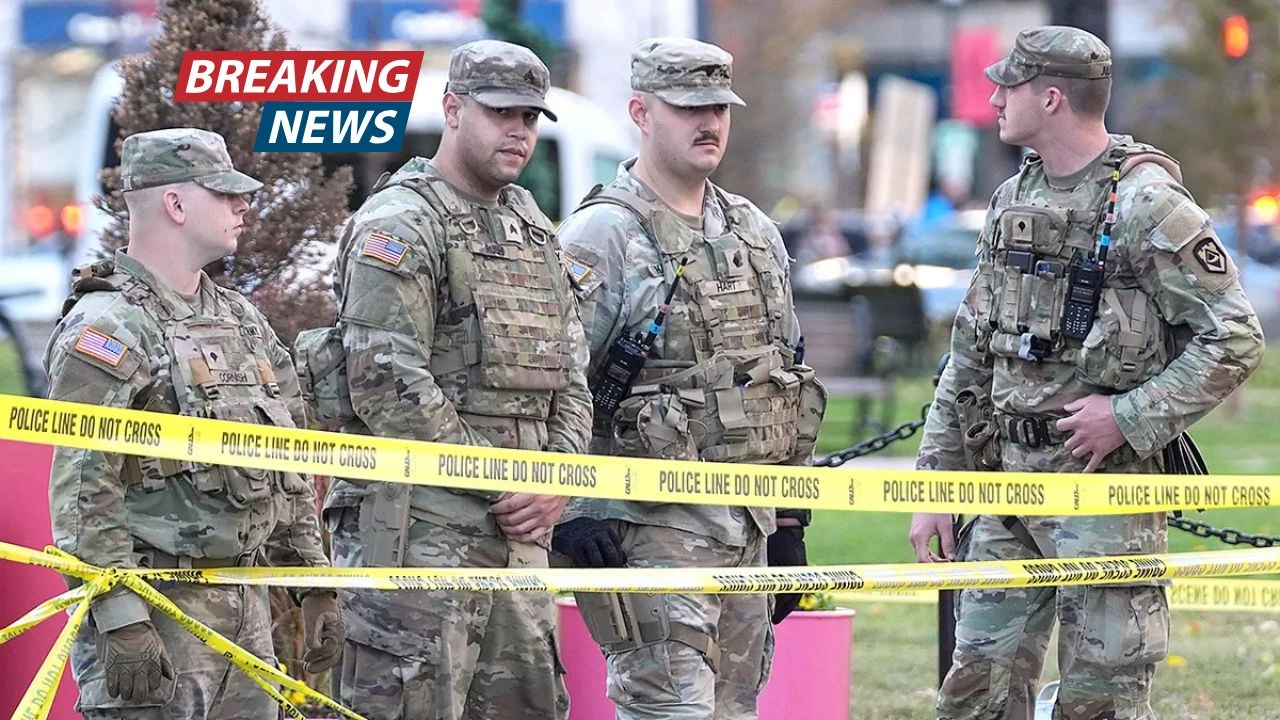
The 2025 U.S. government shutdown stretched on for 43 days, becoming the longest shutdown in American history. During this period, Washington, D.C. was effectively frozen as lawmakers failed to agree on a temporary funding plan.
Republicans and Democrats repeatedly blamed each other, creating a political deadlock that threatened SNAP benefits, federal employee paychecks, and even air traffic safety operations. Senate Democrats refused to back any short-term spending bill unless it included extensions of enhanced Affordable Care Act (Obamacare) subsidies that were set to expire at the end of the year.
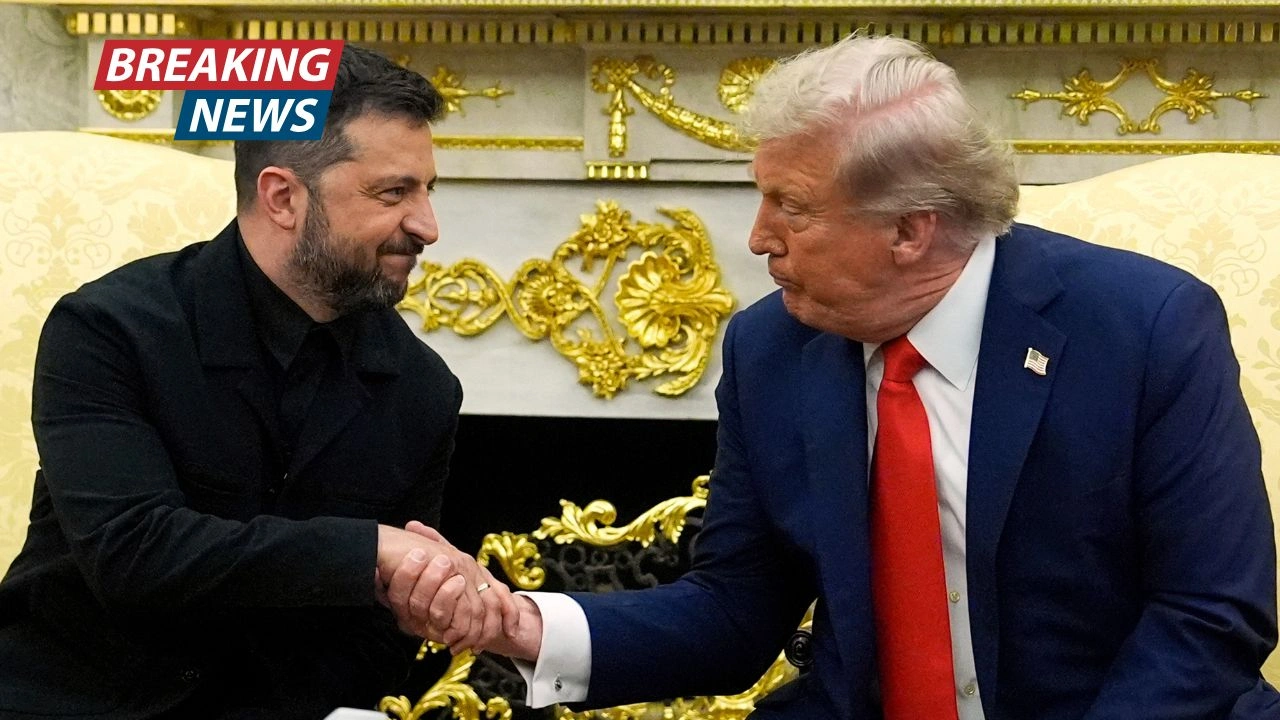
After weeks of stalemate, eight Senate Democrats broke ranks with party leadership to support a bipartisan agreement. Soon after, six House Democrats followed, allowing the government to reopen—without securing the Obamacare subsidy extensions their party had demanded.
DOGE Days: Trump and Musk Target Federal Spending
On Inauguration Day, Donald Trump signed an executive order creating the Department of Government Efficiency (DOGE). The new agency was tasked with eliminating waste, fraud, and abuse across the federal government.
Trump appointed Elon Musk as a special government employee to lead the cost-cutting mission. According to DOGE, the initiative generated approximately $214 billion in savings through asset sales, canceled contracts, recovered improper payments, terminated grants, regulatory rollbacks, and workforce reductions.
As part of the DOGE overhaul, tens of thousands of federal workers were laid off. Funding cuts also affected foreign aid programs, including United States Agency for International Development (USAID), and global health initiatives such as President’s Emergency Plan for AIDS Relief (PEPFAR).
No Kings Days: Nationwide Protests Gain Momentum
The DOGE cuts and Trump’s second-term agenda ignited widespread resistance across the country. In February, activists formed the 50501 Movement, accusing the administration of executive overreach.
The group organized nationwide “Not My President’s Day” protests—also known as “No Kings Day.” Demonstrations erupted in cities including Austin, Orlando, Boston, and Phoenix. In Washington, D.C., more than 1,000 protesters gathered at the Capitol Reflecting Pool on Presidents’ Day.

As Musk continued aggressive budget reductions, some protesters vandalized Tesla vehicles and dealerships. U.S. Attorney General Pam Bondi labeled the attacks “domestic terrorism.”
By October 18, millions of Americans participated in another No Kings Day, showing that the protest movement remained strong throughout Trump’s second term.
ICE Unleashed: Deportation Policies Spark Backlash
During the 2024 presidential campaign, Trump pledged to carry out the largest mass deportation effort in U.S. history. In 2025, U.S. Immigration and Customs Enforcement (ICE) began aggressively enforcing that promise.
The nationwide deportation push drew fierce opposition. Democratic lawmakers and local officials joined protests at ICE detention centers and immigration courts, urging immigrants to understand their legal rights.
In June, escalating anti-ICE demonstrations in Los Angeles turned into riots. Trump responded by deploying the National Guard, marking the first time in over 60 years that a president overrode a governor to federalize a state’s Guard for domestic law enforcement.
Troops in the Streets: Trump’s Crime Crackdown
Following the Los Angeles deployment, Trump expanded his crime strategy by sending National Guard troops to Washington, D.C. in August. The administration also prepared to deploy troops to other Democratic-led cities, including Chicago.
Democrats and progressive groups criticized the move as dangerous federal overreach, arguing that military presence would heighten tensions instead of restoring order.
The situation escalated tragically on November 26, when two National Guardsmen—U.S. Air Force Staff Sgt. Andrew Wolfe, 24, and Spc. Sarah Beckstrom, 20—were shot near the White House. Beckstrom later died from her injuries. Federal investigators are treating the incident as possible terrorism.
In response, Trump issued a statement praising the Guard and law enforcement, pledging full presidential support.